

KEEPING GREEN TECH GREEN
Solar panels, wind turbines, electric vehicles and heat pumps offer cleaner alternatives to fossil-fuel technologies, but is there a plan to ensure their environmental benefits aren’t undermined by what happens when they reach the end of their useful lives? Are our solutions to one environmental problem creating another headache?
Solar power
Solar panels can continue producing electricity for 25 to 30 years or longer, which means many of the panels installed during the rapid expansion of solar energy have yet to reach retirement. But eventually, they will.

A typical solar panel contains glass, aluminium, silicon, plastics and small quantities of metals. Much of that material can potentially be recovered, but dismantling panels and separating materials economically is more complicated than simply collecting them – professional processing is required. As the first major generations of solar installations reach the end of their lives, the number of discarded panels will inevitably increase, making effective collection and recycling increasingly important.
There is also a danger that perfectly serviceable equipment is discarded prematurely. Improvements in solar technology mean newer panels can produce considerably more electricity from the same area. For a large solar farm, replacing older panels before they stop working may therefore make commercial sense.
Electric vehicles
Large lithium-ion batteries for electric vehicles require materials including lithium, nickel, copper, graphite and, in some battery chemistries, cobalt. Mining and processing these materials have environmental consequences, making recovery particularly important.
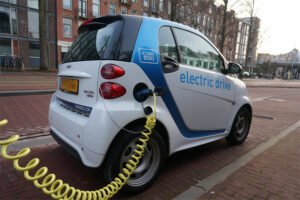 Yet an EV battery that is no longer suitable for powering a car is not necessarily useless.
As batteries age, their capacity and performance typically decline over time, meaning some can potentially enjoy a “second life” in less demanding applications, such as storing electricity for homes, businesses or renewable energy installations.
Eventually, though, they too need recycling.
Recovering valuable materials from old batteries reduces the amount of virgin material required from mines and could help create a more circular supply chain. Rather than thinking of a dead EV battery as rubbish, it can be regarded as a concentrated store of useful raw materials. Waste becomes a resource.
Wind power
Much of a wind turbine is relatively straightforward to recycle. Steel towers, copper wiring and other metal components already have established recycling markets.
The blades are trickier.
Blades need to be extremely strong while remaining relatively light, so are commonly manufactured from composite materials such as fibreglass and resins. Excellent when a blade is spending decades being battered by wind and weather; less convenient when we want to take it apart.

Consequently, old wind turbine blades have become one of renewable energy’s more troublesome PR problems. Images of huge turbine blades being buried in landfill make for uncomfortable viewing.
However, researchers and manufacturers have been developing alternatives, including recyclable blade materials and techniques for recovering or repurposing existing composites. There have been projects looking at reusing old blades in pedestrian bridges and bike shelters, but repurposing individual blades is unlikely to make much of a dent in the number that will eventually be retired.
Heat pumps
Perhaps because heat pumps look less revolutionary, they receive less attention in discussions about green waste. However, they are complex appliances containing metals, plastics, electronics and refrigerants.
As heat-pump installations increase, recycling and responsible disposal will have to increase with them. Refrigerants are particularly important because some have a powerful warming effect if released into the atmosphere. Newer systems increasingly use refrigerants with lower climate impacts, but older equipment still needs careful handling when it is repaired or scrapped.
Russian doll
The deployment of green technology to tackle environmental concerns needs to be thought through, otherwise we risk creating a Russian doll of environmental problems – solving one only to discover another lurking inside.

For much of the industrial era, economies have operated on a broadly linear model: extract resources, manufacture a product, use it and throw it away. Simply replacing fossil-fuel technologies with low-carbon alternatives without changing that model misses an opportunity.
Green technologies must be designed around circularity from the beginning. Batteries should be made easier to dismantle. Solar panels should be designed so valuable materials are more readily separated. Turbine manufacturers should develop blades with recycling in mind. Producers should also be made responsible for collecting equipment when it reaches the end of its life.
Because many renewable technologies are comparatively young, the waste problem is still relatively manageable. Recycling capacity, regulations and product design still have the chance to meet the challenges before the largest waves of equipment reach retirement.
We know solar panels, batteries, wind turbines and heat pumps will not last forever, so why wait until millions of them become waste before deciding what to do with them? We need to ensure that replacing functioning green technology with more efficient green technology doesn’t ultimately make us less green.
FURTHER READING
What Happens to Old Solar Panels in Europe?
Safety of second life batteries in battery energy storage systems
Testing and analysis of pedestrian bridge made of discarded wind turbine blades
Denmark is repurposing discarded wind turbine blades as bike shelters
Recovering, reclaiming and recycling fluorinated gas (F gas)