

TRANSPORT YOUR DISHES TO THE IVORY COAST
I grew up in the Ivory Coast in a household where food was pure joy. My parents were both chefs in their own right. My father, an award-winning chef and Maître Rôtisseur, brought professional technique and precision to our kitchen, while my mother mastered both pastry and traditional African cuisines with an intuitive understanding of how flavours work together. Between them, they created an environment where culinary excellence was simply part of daily life.
As an only child, I had the run of this culinary playground, sneaking tastes, absorbing the nuances of different ingredients, and gradually learning to identify the mysterious flavours that made our food so extraordinary.
But it was only when I began visiting our local market with my mother that everything finally clicked into place. Standing in a bustling Abidjan market at age ten, surrounded by mounds of aromatic spices and herbs, I finally understood how the mysterious flavours that had been dancing on my palate throughout childhood actually worked.
What had once been hidden ingredients in familiar dishes suddenly had names, textures, and origins. This revelation sparked a creativity that continues to drive my cooking today — the understanding that each spice carries its own personality and potential.
These five Ivorian ingredients have remained constant companions throughout my culinary journey, from those childhood discoveries to my current work in professional kitchens across London and Paris.
Baobab: From childhood snack to trendy superfood
 Long before baobab became a fashionable superfood in Western health food shops, it was simply part of my Ivory Coast childhood landscape. The fruit of the majestic baobab tree comes naturally as a grain with a powdery texture and an earthy, citrusy taste that’s wonderfully tart and refreshing.
As children, we’d eat baobab powder mixed with sugar—nature’s sherbet—getting a powerful vitamin C boost while satisfying our sweet tooth. We’d make juice from it, sometimes freezing it into lollies with additions of vanilla, sugar, or condensed milk. The fresh fruit contains both the white, powdery seeds we typically use and glossy black seeds that look like small stones.
Nutritionally, baobab is remarkable. It’s packed with vitamin C, fibre, and antioxidants, making that morning teaspoon stirred into yoghurt a genuinely beneficial start to the day. But beyond its health credentials, baobab is a powerful culinary tool.
The powder works beautifully as a thickening agent; you need surprisingly little, as it’s quite potent. I use it in vegetable stock reductions where it adds both body and a subtle citrusy note that complements seafood perfectly.
Simple home application: Try whisking a teaspoon of baobab powder into a plant-based Greek-style yoghurt with a drizzle of maple syrup for breakfast. The tartness brightens the yoghurt while adding nutritional value and a lovely beige colour. You can also add a pinch to smoothies for extra vitamin C.
My fine dining twist: Create a baobab mousse by whisking the powder with a plant-based thick cream, a touch of sugar, and vanilla. It tastes remarkably similar to lemon meringue filling but with more depth and earthiness. Serve as a palate cleanser between courses.
Akpi: The aromatic powerhouse
If baobab is gentle and citrusy, akpi is its bold, aromatic cousin. These small, dry seeds look deceptively like chickpeas, but their flavour is entirely different: fragrant, punchy, and spicy without being hot. Think of a complex curry blend compressed into a single ingredient.
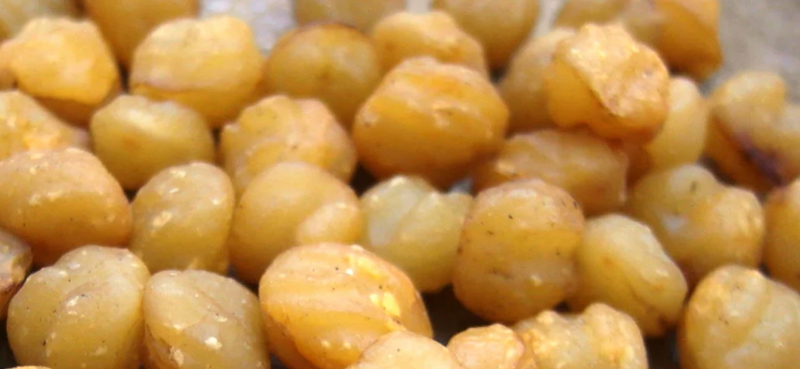
Akpi seeds are naturally oily, which makes them excellent for releasing flavour when toasted. The traditional method involves heating them in a dry pan until fragrant, then grinding them while still warm. Be careful not to over-process them, or you’ll end up with a paste rather than a powder – though both forms have their uses.
This spice comes from coastal regions, and the oil from cold-pressed akpi seeds is used in cosmetics, though for cooking purposes, we focus on the ground seeds themselves.
Simple home application: Add a tiny amount (1-2 grams) to savoury pastry dough for tarts or quiches. It works similarly to how you might use saffron, providing aromatic depth without overwhelming other flavours. You can also sprinkle tiny amounts into salad dressings or mix into breadcrumb coatings for tofu and other plant proteins.
Suya Powder: The ultimate everything spice
If there’s one spice blend that epitomises the joy of West African street food, it’s suya powder. This isn’t just a single spice but a carefully balanced blend that typically includes chilli powder, cola nut, onion, and garlic as its foundation, though every region—and indeed every family—has their own variation.
Suya gets its name from its traditional use with charred meats, particularly the beef and chicken skewers sold by street vendors throughout West and Central Africa. The powder is rubbed into the meat before grilling, creating a flavourful crust and infusing the protein with smoky, spicy notes.
What I love about suya powder is its versatility. It’s like having a secret weapon in your spice rack – a quick way to add depth and complexity to virtually any savoury dish. I work with a traditional suya specialist (actually the same gentleman my father used to employ for family celebrations), and his blend remains my gold standard.
Simple home application: Create suya mayonnaise by mixing one part suya powder with three parts good-quality vegan-mayonnaise and adding a squeeze of lemon or lime juice. This transforms ordinary sandwiches and makes an excellent dip for chips or crudités.
My fine dining twist: I sometimes incorporate tiny amounts of suya powder into chocolate truffles, where its earthy heat creates an unexpected but delightful contrast with rich, dark chocolate. The key is restraint – just enough to add intrigue without overwhelming the palate.
Soumbala: The natural umami bomb
Soumbala might challenge Western palates initially, but perseverance is absolutely worth it. Also known as locust beans or iru in Nigerian cuisine, soumbala is fermented, then sun-dried, creating small, dark seeds that look rather like coffee beans and keep for years when properly stored.
The flavour is intensely earthy and deeply savoury, with a pronounced umami character that makes it incredibly useful as a natural flavour enhancer. Think of it as West Africa’s answer to aged parmesan or aged soy sauce – it adds that mysterious “fifth taste” that makes everything else taste more like itself.
From a health perspective, soumbala is excellent for cardiovascular health and contains numerous beneficial compounds. But from a culinary standpoint, it’s simply indispensable for creating depth in sauces, stews, and rice dishes.
Simple home application: Add half a teaspoon of ground soumbala to tomato-based pasta sauces or sprinkle a pinch over cooked rice for an immediate umami kick. You can also add pinches to soups, casseroles, or any slow-cooked dish that needs more savoury depth. It works particularly well in bean-based dishes and lentil preparations. The umami depth it provides will surprise you, making familiar dishes taste richer and more complex.
Amanglin: Our sacred basil
Amanglin represents the more delicate side of Ivorian aromatics. Often called sacred basil, it has beautiful, fragrant leaves that are used both culinarily and medicinally. Traditional use includes crushing the leaves to create a paste for treating cold and flu symptoms – a testament to its potent essential oils.
The flavour profile is distinctly different from Mediterranean basil, being more peppery and punchy with complex herbal notes that you really need to taste to understand. It’s harder to find than some of the other spices, but when you do locate it, treat it with the respect its name suggests.
Fresh amanglin works beautifully in herb crusts, while dried leaves can be crumbled into salads or infused into oils. The intensity means a little goes a long way – it’s more about adding aromatic complexity than providing bulk.
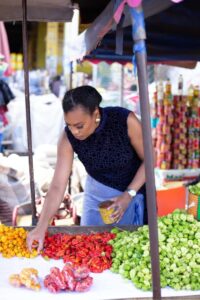 Simple home application: If you can source fresh amanglin, try adding a few leaves to green salads where you might normally use basil. The peppery notes work particularly well with tomatoes, and olive oil-based dressings. You can also dry fresh leaves and crumble them into herb blends for roasted potatoes or infuse a few leaves in olive oil for drizzling over grilled vegetables or finished soups.
Embracing the adventure
These five spices represent just a tiny fraction of West Africa’s incredible culinary heritage, but they offer an excellent starting point for anyone curious about expanding their flavour repertoire. What I find most exciting is how they work both within traditional African dishes and as bridge ingredients in fusion cooking.
The key to success with any unfamiliar spice is starting small and tasting as you go. These aren’t ingredients that should dominate — they’re meant to enhance and harmonise with other flavours. Begin with tiny amounts, perhaps a pinch in familiar dishes, and gradually increase as your palate adapts and your confidence grows.
Whether you’re looking to add nutritional benefits to your morning routine with baobab, seeking the perfect spice blend for your next veggie barbecue with suya powder, or wanting to add mysterious depth to familiar sauces with soumbala, these ingredients offer endless possibilities for culinary creativity. The adventure starts with that first taste and, I promise you, it’s a journey worth taking.
ABOUT PAULE BÉKÉ
 Paule Béké is a chef, owner of Douceurs D’Ivoire, and recently a contestant on MasterChef The Professionals. Paule is currently based in London and was born and lived in the Ivory Coast until she was 14, when she moved to France and spent the rest of her childhood there. Despite having a business degree and working in the corporate world, cooking was always Paule’s passion so she retrained as a chef and went on to set up her own private catering company; Douceurs D’Ivoire, which offers refined African gastronomy, as a catering and private chef service. Paule’s training in Paris, Abidjan, Accra and London means she has extensive knowledge of diverse cuisines and cooking techniques but her specialty is African gastronomy. Paule’s dream is to make Ivorian food as popular as other cuisines (such as Indian or Italian) in the UK.
LinkedIn: Paule Béké Facebook: Douceurs Divoire Instagram: Douceurs Divoire