
EVERYDAY RISKS TO OUR HEARING
According to the RNID, nearly 18 million people in the UK suffer from some form of hearing loss. Unfortunately, many of our day-to-day activities could have a detrimental effect on our hearing.
Listening to music
For many of us, listening to music is part of our daily lives: commuting to work, exercising at the gym, and leisurely walks are just some of the daily activities where we put on our headphones and switch off from the outside world.
 You may not expect this may be harmful, but prolonged use of wearing headphones can cause permanent damage as the soundwaves from the headphones are delivered directly into the ear canal, damaging the hair cells in the inner ear. Listening to music that is 85 decibels and over, repeatedly and over a long period of time, will gradually cause noise-induced hearing loss.
Exposure to loud music can also cause neurophysiological damage by changing the nerve fibres that transmit signals from the inner ear to the brain, ultimately affecting hearing perception. Loud sounds, such as music, can also cause tinnitus, a ringing or buzzing sound that comes from your ears rather than an outside source.
To reduce hearing damage when listening to music:
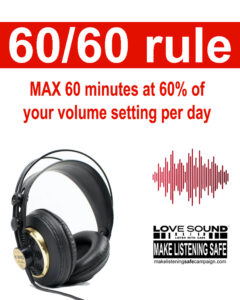
- Reduce the volume and if listening using headphones follow the 60/60 rule: a max of 60 minutes at 60% of your volume setting per day.
- Use a volume limiter on your phone or device. Your phone may warn you that you have gone over the ‘safe’ volume level, so it is a good idea to pay attention to this.
- Use noise-cancelling headphones. These will block out background noise so that you won’t have to turn your music up.
Listening to music isn’t the only everyday activity that puts our ears at risk.
Using household appliances
Every day, noise from common household appliances such as hairdryers, vacuum cleaners, and blenders can all generate high decibel levels that, over time, could damage your hearing.
Hairdryers can be especially damaging as they are used so close to our ears. The average decibels produced by a typical hairdryer is around 80 to 90 decibels, which used consistently over time, can cause damage to our hearing. Consider breaking up the task of drying hair to prevent continuous exposure to the noise or even reduce the number of times you wash your hair each week. Some hairdryers are designed with noise reduction technologies so consider using these functions when drying your hair.
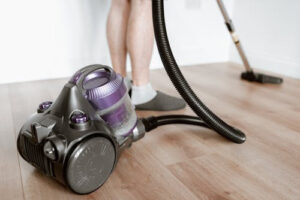
Vacuum cleaners generate around 70 to 85 decibels, and prolonged use can also cause long-term hearing damage. To prevent this, limit the amount of time you spend using a vacuum cleaner, and maintain a distance from the vacuum when using it. Some vacuum cleaners have built in noise reduction features, so try to reduce the volume of noise if you can.
Blenders can potentially reach 100 decibels, which is deemed well above the safe sound threshold. Although blenders aren’t switched on for a long time, prolonged use will lead to damage to the inner ear.
To reduce this risk, wear earplugs or noise-cancelling headphones, and take breaks if you are using the blender repeatedly. If possible, maintain as much distance as you can from the blender.
Using lawn mowers or power tools
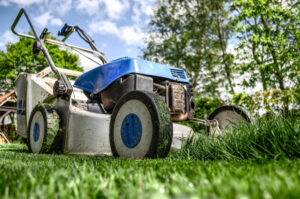 Lawn mowers can reach up to 90 dB, while power tools can reach up to 100 dB or sometimes 120 dB. Using any of these tools for a minimum of 15 minutes can cause hearing damage.
Tips to reduce hearing damage when using a lawn mower or other power tools:
- Use ear protection, such as noise-cancelling headphones or earplugs.
- Take breaks to reduce the exposure of noise to your ears.
Driving at high speeds with the windows down
Prolonged driving at high speeds with the windows down can cause hearing damage over time. Noise from the engine, wind, and traffic can all reach 89dB and higher, significantly increasing the chances of hearing damage.

Tips to reduce hearing damage when driving with the windows down:
- Take breaks from driving if you are on a long journey and alternate between windows up and down.
- Keep the windows up when in heavy traffic to minimise noise from car engines, sounds of car horns, and music from other vehicles.
- Don’t try and drown out the sounds of traffic with even louder music, as this will potentially cause even more damage.
- If you ride a motorcycle or bicycle, invest in a helmet designed to reduce traffic noise.
Cleaning your ears with cotton buds
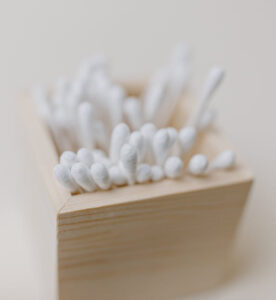 Using cotton buds to clean your ears can potentially cause significant damage to your ear canal or eardrum. Cotton buds can have an adverse effect and push earwax further down the ear canal, causing a blockage that may affect hearing.
Using cotton buds can also cause damage to the ear canal, which is very sensitive. This damage can cause infections, as well as puncturing the eardrum, which can cause hearing loss.
Earwax is vital to the function of our ears by keeping our ears lubricated and keeping bacteria out of them. In most cases, our ears will naturally maintain earwax, but if you feel as though your ears are blocked or you’re experiencing pain, then you may need professional help to remove the earwax safely.
Summary
It is important we understand the risk of exposure to loud noises and the importance of protecting our ears from damage as making small changes to the way we manage prolonged noise exposure can have a huge positive impact on our long-term hearing health.
ABOUT THE AUTHOR
 Tsvetan Nedkov is an Acoustic Engineer and Founder of DECIBEL, a European engineering and production company – one of the largest manufacturers of sound insulation and acoustic solutions available in over 42 countries around the world.
 decibelinternational.co.uk
MAKE LISTENING SAFE CAMPAIGN
Further information about looking after your hearing can be found at the Make Listening Safe Campaign UK website and from campaign supporter RNID.