
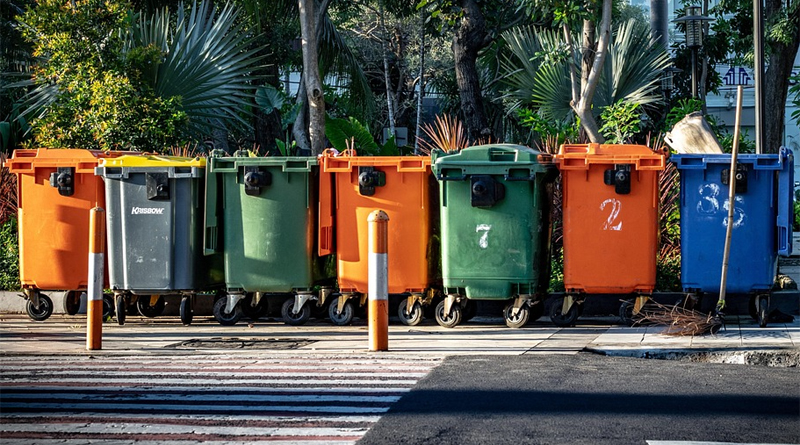
RECYCLING RECAP – WHAT’S GOOD, WHAT’S NOT
Most of us recycle without giving it much thought, dropping an empty drinks bottle or cardboard box into the recycling bin before moving on with our day. But while some household items are easily transformed into new products, others present a much greater challenge because of the materials they are made from or the way they are manufactured.
Glass bottles and jars remain among the easiest items to recycle. Glass can be melted down and reused repeatedly without losing quality, making it one of the most sustainable packaging materials. Aluminium drinks cans are equally impressive, as the metal can also be recycled indefinitely while using only a fraction of the energy needed to produce new aluminium.
Steel food tins are another recycling success story. Once cleaned, they can be turned into everything from new food cans to construction materials. Cardboard packaging also has excellent recycling credentials, provided it is clean and dry, while paper such as newspapers, envelopes and office paper can usually be recycled several times before the fibres become too short for further use.
The picture becomes more complicated with other everyday items. Crisp packets are notoriously difficult to recycle because they are made from multiple layers of plastic and metallic film that are bonded together. Separating these materials is complex, meaning most cannot be processed through standard household recycling collections.
Coffee pods present similar problems. Many combine plastic or aluminium with coffee grounds, meaning they often require specialist collection schemes or dedicated take-back programmes rather than kerbside recycling.
Medicine blister packs are another challenge because they combine plastic with aluminium foil. While specialist recycling schemes are becoming more common, they are rarely accepted in household recycling bins.
Black plastic food trays have historically been problematic because many recycling facilities struggled to detect the material using optical sorting equipment. Although improvements have been made and some councils now accept them, recycling arrangements still vary depending on where people live.
Toothpaste tubes have long appeared on lists of hard-to-recycle household waste because traditional tubes were made from layers of plastic and aluminium. However, this is beginning to change as manufacturers switch to recyclable plastic designs and recycling systems expand, meaning many newer tubes can now be recycled, although household collection rules still differ between local authorities.
One of the biggest obstacles to effective recycling is confusion. An item that is accepted in one council area may not be collected in another, and contamination from food residue or the wrong materials can result in entire batches of recycling being rejected. Experts therefore recommend checking local guidance before placing less common items in the recycling bin.
As recycling technology continues to improve, more products are becoming recyclable than ever before. However, understanding which everyday items can be easily recycled – and which still require specialist disposal – remains one of the simplest ways consumers can reduce waste and help keep valuable materials in circulation.