
FOOD: USE BY VS BEST BEFORE
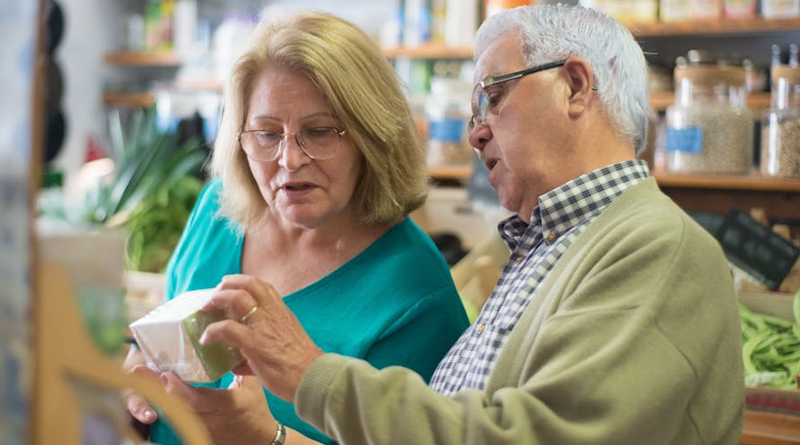
Nearly a third of Brits have thrown away food because of a best-before date, without stopping to check whether it was still good to eat.
Around £5.7 billion worth of food is discarded every year simply because it wasn’t used in time, according to waste reduction charity WRAP. As well as hitting household budgets, wasted food puts unnecessary pressure on natural resources and contributes to harmful greenhouse gas emissions.
Here’s a look at the difference between best before and use by dates and an answer the question: when is it okay to ignore best before labels?
Use By: The one date that really matters
The use-by date is the only label with genuine food safety implications. It appears on highly perishable items such as raw meat, fish, bagged salads and ready meals. These are foods that can harbour dangerous bacteria like Listeria or Salmonella even when they look and smell completely fine.
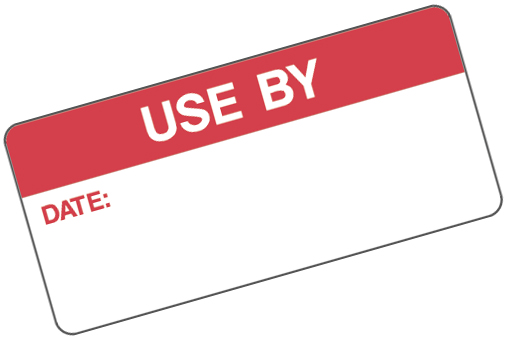
“The use-by date is a legal safety marker,” explains Salah Sun, Head of Product at Hotpoint.
“Once a product has passed this date, it should not be consumed. This is particularly important for vulnerable groups including pregnant women, young children, the elderly, and those with weakened immune systems.”
If you know you won’t get through something in time, most items with a use-by date can be frozen right up until that date, giving you more time to consume it.
Best Before: Quality, not safety
Best-before dates work very differently and can be found on bread, dried goods, tinned food, and frozen products. They indicate when a food is at its peak quality, not when it becomes unsafe to eat.
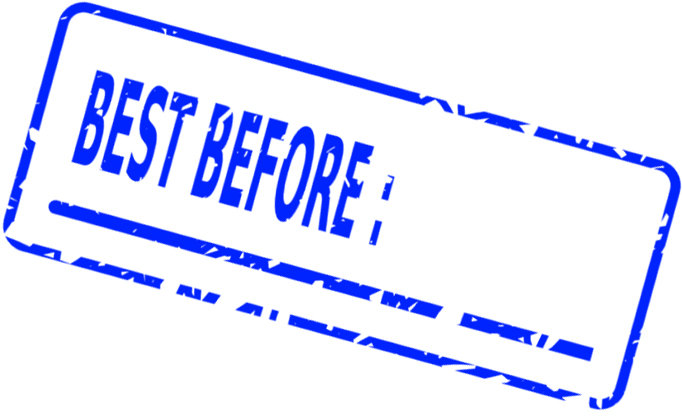 A tin of tomatoes past its best before is still perfectly edible. Pasta, rice, and cereals stored in cool, dry conditions can remain safe for months or even years after the printed date.
“Trust your senses when it comes to best-before dates,” says Sun. “Look at the food, smell it, and apply common sense. If it looks and smells fine, it almost certainly is.”
Many supermarkets have already taken steps to reduce confusion, removing best-before dates from fresh fruit and vegetables entirely and switching milk and cheese from use-by to best-before labels. This is a move that encourages shoppers to rely on sight and smell rather than automatically reaching for the bin.
How your fridge and freezer can help
Proper storage plays an important role in extending shelf life and keeping food safe for longer. Your fridge temperature is a good place to start, ideally keeping your appliance between 0°C and 5°C. A warmer appliance accelerates bacteria growth and spoilage.
 Where you store food within the fridge matters too. Raw meat and fish belong on the bottom shelf, sealed tightly to prevent cross-contamination. Dairy, cooked meats and leftovers are best placed in the middle. The door, which is warmest due to being opened often, should be reserved for condiments and long-lasting items rather than your milk.
“Avoid packing your fridge so tightly that air can’t circulate freely,” advises Sun. “Poor airflow pushes temperatures up in places, causing food to spoil faster than it should.”
The freezer is one of the most underused tools in the fight against food waste. “Bread, meat, cheese, milk and leftovers all freeze well,” advises Sun. “Fruit and vegetables that are turning bad can be chopped and frozen for soups or smoothies.”
Understanding the difference between use-by and best-before dates is one of the easiest and most effective ways to cut household food waste. Respect use-by dates without exception and for everything else, let your senses lead the way.